
Short Film Recommendation: 'Home' by Daniel Mulloy

I first watched 'Home' two years ago when it was released, during the midst of the UK refugee crisis, now unfortunately this film is once again shockingly prevalent.
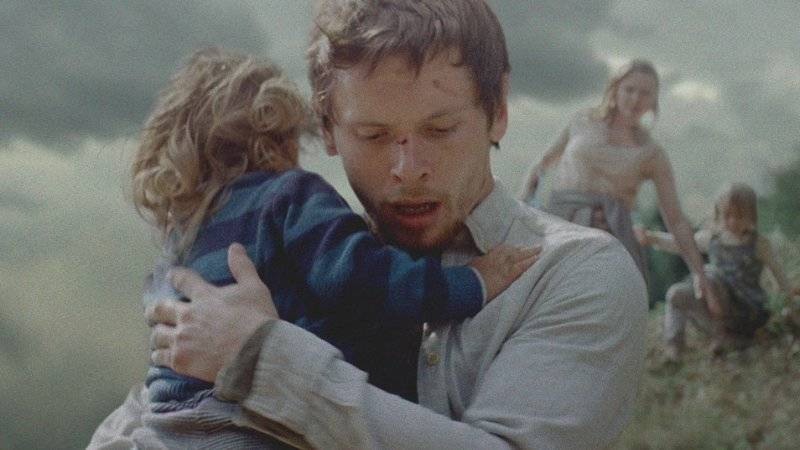
Image result for home daniel mulloy

By following a British couple (Jack O'Connell, Holliday Grainger) and their two young children, Mulloy portrays the journey that refugees have had to take to reach safety. The twist is, the story is told backwards; the characters begin their day by, what looks like, preparing for a holiday, and end up on the front line of a war zone. Within twenty minutes, the tone of this film changes dramatically, as the second half of this family's journey becomes increasingly disturbing, especially as the audience understands that everything Mulloy has featured is the reality for millions of families.

Here is the trailer for Home (the full film is available on Amazon Prime, I highly recommend watching it):

Comments

  1. This looks like an interesting short film, I will find it on Amazon. Twenty minutes is quite long for a short film - do you think the length is justified? Do you know where this features in Jack O Connell's career? Do you think shorts are beneficial to actors as well as film makers?

    ReplyDelete
    Replies
    1. I think the length of this short film is justified because it arguably represents the long struggle that so many go through when attempting to seek refuge. This film was released the year after O'Connell won the BAFTA Rising Star Award, and he has gone on to star in critically acclaimed films such as 'Tulip Fever' and now is involved in three films that are due to be released over the next few years. I think shorts are definitely beneficial to an actor's career, they can allow them attempt perhaps more experimental roles, and show off their talent, helping to build a portfolio and therefore land larger roles in the future, as O'Connell has done.

      Delete

Post a Comment

Popular posts from this blog

Response to 'The Arrival' by Daniel Montanarini

In 2016, Daniel Montanarini directed a short film called 'Arrival' which follows a pregnant woman's inner monologue as she waits in a cafe to tell the man this news. She debates in her head whether or not to keep it, eventually coming to a decision at the end of the film, just before the man arrives. This film is, overall, theatrical. It consists entirely of the expressions of the woman (Anna) and her inner monologue conveyed with a voice-over. It is like the cafe is her stage, as everything from the spotlight on the lead actress to the over-the-top expressions to the well blocked extras in the background exudes drama. Montanarini's camerawork is effective. He uses a simple zoom-in as the scene progresses, building to the climax of the film which is a train going past the window as Anna reaches her decision (whether this is literal or metaphorical or both  seems ambiguous). I think all of these features achieve what Montanarini was trying to which, as he said in an...

Response to 'Echo' by Lewis Arnold

In 2011, Lewis Arnold directed a short film called 'Echo'. It follows Caroline, a 17 year old girl, who gets a phone call informing her that her dad has been in an accident. However, as the film continues we learn that, though this event did happen, Caroline was pretending to get the call again to con people in the street into giving her money. The film is an interesting exploration of grief and the ways people deal with it, but the most interesting element, I feel, is the narrative structure. In an interview I watched, Arnold explains that the film was written in three parts; three phone calls, the first using long takes to be the most objective, and allows the audience to take the place of pedestrians on the street so that the scene remains ambiguous, to leave the viewer wondering what exactly is happening. Then, when the second phone call takes place, the audience enters the scene from the point of view of Caroline's younger brother. This makes it clear that no...

Building Character in Screenplays

There are three main details to include in a screenplay to develop a character: 1. The impression they create- their appearance; costume, makeup, actor, age 2. Their attitude- their personality and temperament 3. The world they inhabit- where and how they live; setting, props The most important element of a character is their personality, which is what you should develop first. To do this you could place them in scenarios and imagine their reaction. These may be unrelated to your narrative but might help you come up with ideas, or you could place them a scenario you already want to include in your screenplay, helping you to build a scene as well as a character. Some scenarios might be: - What would the character do if they were cheated on? - What would the character do if they were mugged? - Would your character accept a bribe and why? Other questions you could ask about your character to develop personality are: - Why are they interesting? - How does their personality...