In 2016, Daniel Montanarini directed a short film called 'Arrival' which follows a pregnant woman's inner monologue as she waits in a cafe to tell the man this news. She debates in her head whether or not to keep it, eventually coming to a decision at the end of the film, just before the man arrives.
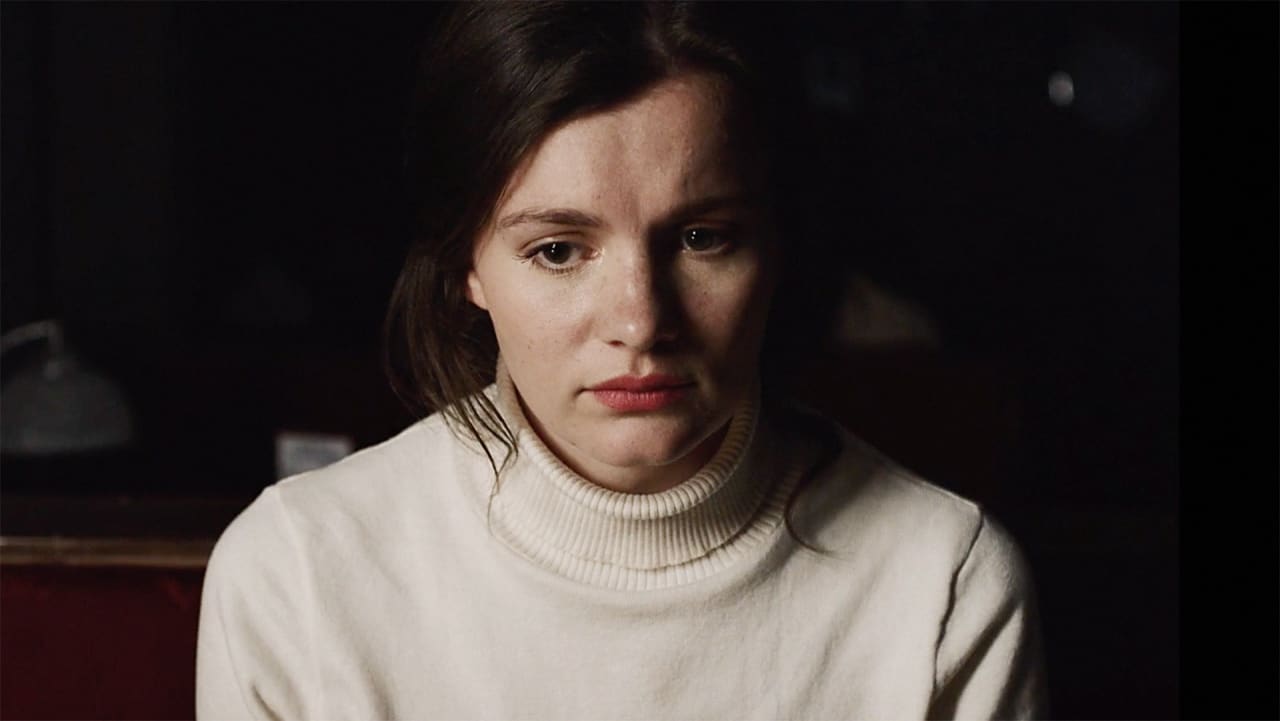
This film is, overall, theatrical. It consists entirely of the expressions of the woman (Anna) and her inner monologue conveyed with a voice-over. It is like the cafe is her stage, as everything from the spotlight on the lead actress to the over-the-top expressions to the well blocked extras in the background exudes drama. Montanarini's camerawork is effective. He uses a simple zoom-in as the scene progresses, building to the climax of the film which is a train going past the window as Anna reaches her decision (whether this is literal or metaphorical or both seems ambiguous).
I think all of these features achieve what Montanarini was trying to which, as he said in an interview, was something 'cinematic, simple and personal'.
However, personally I dislike when film-makers use an internal monologue in a voiceover, as this is not how thoughts actually occur, and this method seems almost crude.
For my own film, I want to have a more complex narrative in multiple settings, as well as spoken dialogue as a pose to a voice-over.
This film is, overall, theatrical. It consists entirely of the expressions of the woman (Anna) and her inner monologue conveyed with a voice-over. It is like the cafe is her stage, as everything from the spotlight on the lead actress to the over-the-top expressions to the well blocked extras in the background exudes drama. Montanarini's camerawork is effective. He uses a simple zoom-in as the scene progresses, building to the climax of the film which is a train going past the window as Anna reaches her decision (whether this is literal or metaphorical or both seems ambiguous).
I think all of these features achieve what Montanarini was trying to which, as he said in an interview, was something 'cinematic, simple and personal'.
However, personally I dislike when film-makers use an internal monologue in a voiceover, as this is not how thoughts actually occur, and this method seems almost crude.
For my own film, I want to have a more complex narrative in multiple settings, as well as spoken dialogue as a pose to a voice-over.
:)
ReplyDelete